Slot Manufacturers Discuss Tariff Relief Efforts at Las Vegas Gaming Summit
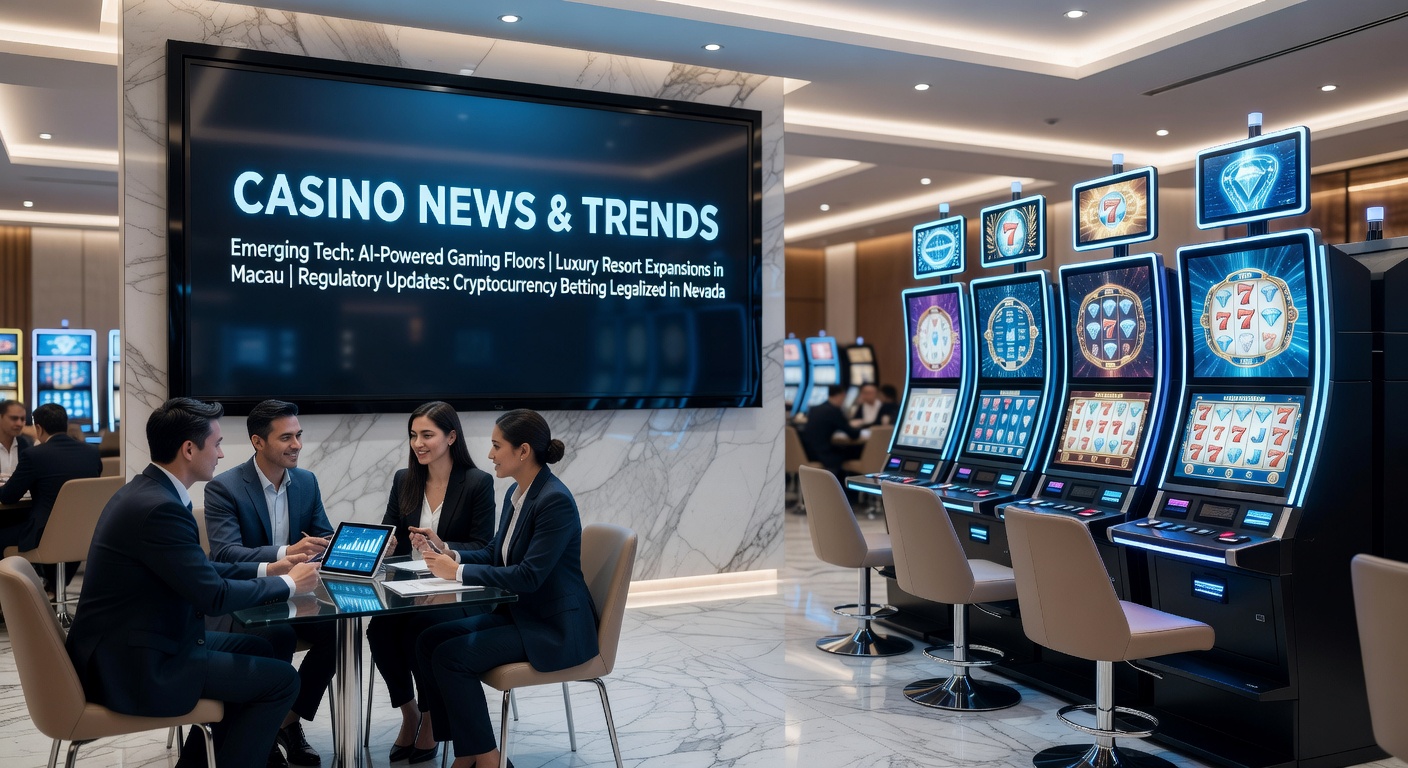
Executives from Ainsworth Game Technology, AGS, and Konami gathered at a Las Vegas gaming conference to examine the lingering effects of tariffs enacted during the Trump administration, and they outlined steps taken to manage those costs over the past year. The discussions highlighted manufacturing adjustments along with ongoing attempts to recover expenses while operating under strict regulatory oversight that limits how quickly companies can adjust pricing for casino clients.
Background on Tariff Implementation and Industry Response
Tariffs imposed over the previous twelve months affected components and materials used in slot machine production, which prompted several manufacturers to explore temporary production relocations to facilities in Mexico or Canada as a way to reduce exposure to the added duties. These shifts occurred alongside parallel efforts to pursue refunds either directly through government channels or by negotiating with suppliers who had absorbed portions of the tariff burden during initial shipments.
Observers note that the highly regulated nature of the gaming equipment sector created particular complications because operators cannot easily pass incremental costs forward to casino partners without extensive approvals from state gaming commissions. This environment forced companies to absorb many expenses internally while seeking longer-term solutions through both operational changes and legal avenues.
Conference Discussions on Manufacturing Adjustments
At the event, representatives described how their organizations evaluated supply chain options and implemented short-term moves to alternate production sites. Ainsworth Game Technology executives explained their exploration of Canadian facilities, while AGS and Konami teams shared similar experiences with Mexican operations that allowed them to maintain delivery schedules to North American customers. These changes helped stabilize output even as tariff rates remained in place for several quarters.
Participants also reviewed internal data on cost impacts, noting that certain component categories saw increases ranging from fifteen to thirty percent depending on the country of origin and material type. The conversations focused on practical next steps rather than speculation, with emphasis placed on documentation practices needed to support refund claims.
Supreme Court Ruling and Subsequent Developments
In February 2026 the Supreme Court invalidated the global tariffs after determining they exceeded executive authority under the International Emergency Economic Powers Act, which created a new framework for companies pursuing recovery of previously paid amounts. The decision opened pathways for formal refund requests, and manufacturers reported initiating those processes through both direct government submissions and vendor negotiations.
Industry groups tracking the ruling have pointed to guidance from the International Trade Administration as a resource for filing procedures. Meanwhile, several firms indicated they were compiling detailed records of tariff payments made between early 2025 and the February 2026 ruling date to strengthen their cases.
Regulatory Constraints and Cost Recovery Challenges
Because gaming equipment falls under multiple layers of state and tribal oversight, any price adjustments require review periods that can extend several months. This structure means manufacturers must carry tariff-related costs for extended periods even after the Supreme Court decision cleared the underlying policy. Conference attendees discussed strategies for accelerating internal efficiencies to offset those delays without relying on customer price increases.
One case highlighted involved coordination between production teams and regulatory compliance staff to ensure relocated manufacturing lines met all required certifications before resuming full-scale output. Such coordination added time but helped avoid further disruptions to casino floor installations scheduled throughout 2026.
Looking Ahead to Mid-2026 Industry Conditions
By June 2026 many manufacturers had completed initial rounds of refund applications and were monitoring processing timelines with federal agencies. The Las Vegas discussions also touched on longer-term supply chain planning that incorporates lessons from the tariff period, including diversified sourcing agreements designed to reduce future exposure to similar policy shifts. Companies reported continued monitoring of component pricing trends while maintaining focus on delivery commitments to regulated markets.
Conclusion
The Las Vegas conference provided a forum for Ainsworth Game Technology, AGS, and Konami leaders to compare notes on tariff management approaches and to align on next steps following the Supreme Court decision. Manufacturing relocations, refund pursuits, and regulatory navigation remain central topics as the sector moves through the second half of 2026, with emphasis placed on documentation accuracy and operational continuity across borders.