AI Algorithms Reshaping Promotional Strategies in Video Slot Platforms
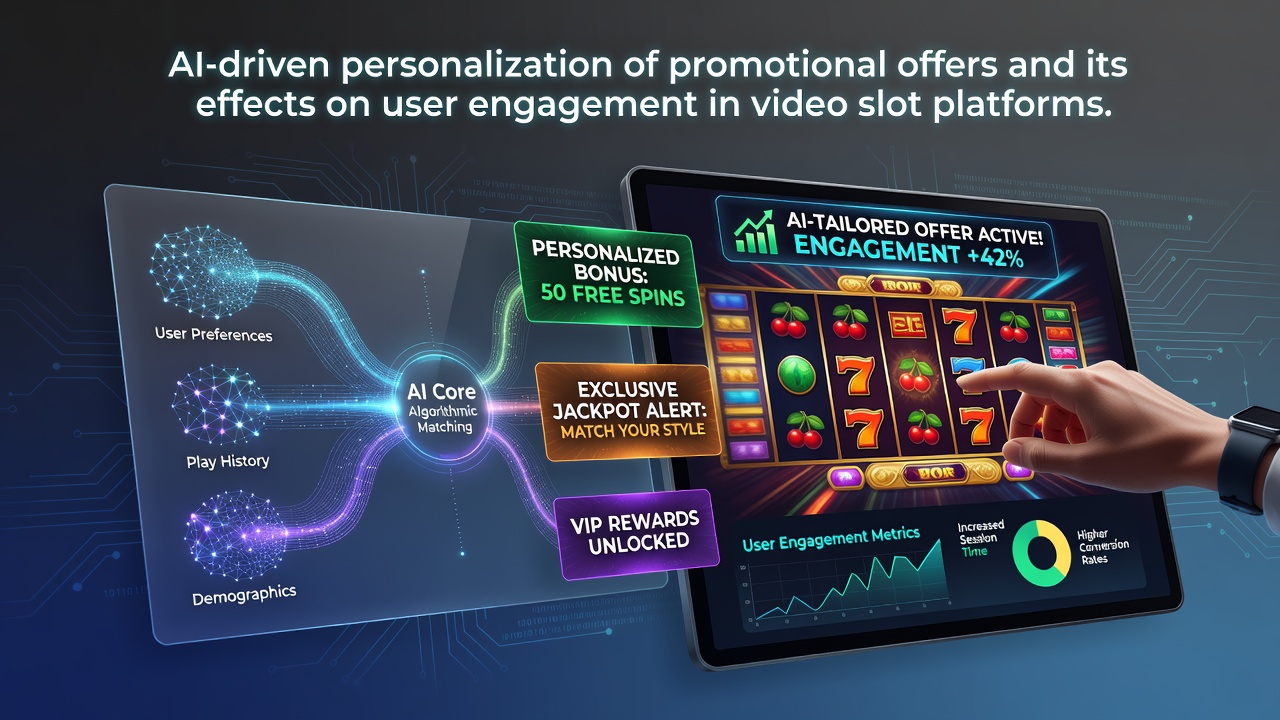
Artificial intelligence systems now analyze player behavior patterns across video slot platforms to generate customized promotional offers, and these tools draw on real-time data including session duration, bet sizing, and game selection to adjust incentives such as free spin allocations or deposit match percentages. Platforms deploy machine learning models that process historical interaction logs, then deliver targeted bonuses that align with observed preferences rather than applying uniform campaigns to all users. Data collected through July 2026 shows platforms implementing these systems report measurable differences in repeat login rates compared to those relying on static offer structures.
Core Mechanisms Behind Personalization Engines
Supervised learning algorithms examine clusters of player activity to predict which incentive types correlate with extended play sessions, while reinforcement learning components refine offer timing based on response feedback loops. A player who frequently engages with high-volatility titles might receive bonus rounds tied to those specific games, whereas another who prefers low-stake sessions could see offers scaled to smaller deposit thresholds. These adjustments occur without manual intervention because the models update continuously as new behavioral signals arrive. Observers note that integration with player loyalty databases allows cross-referencing of tier status with current engagement velocity, enabling offers that accelerate progression through reward levels or unlock exclusive game modes.
Measured Effects on Engagement Indicators
Platforms that adopted AI-driven personalization recorded increases in average session length according to internal telemetry reviewed in mid-2026, with some operators documenting up to 18 percent growth in daily active users after deployment. Click-through rates on promotional messages rose when offers matched prior play patterns, and deposit conversion metrics improved when timing aligned with detected spending cycles. Researchers tracking these platforms found that churn rates declined among segments receiving highly tailored incentives, although the magnitude varied by jurisdiction and regulatory constraints on bonus structures. Engagement data also revealed shifts in game exploration, as personalized suggestions prompted users to try titles outside their usual rotation more often than generic promotions achieved.
Implementation Patterns Across Major Operators
Large-scale deployments typically combine on-device processing with cloud-based analytics to balance speed and depth, allowing offers to appear within seconds of a player completing a session. One operator integrated neural network classifiers that segmented users by risk tolerance indicators derived from bet spread analysis, then routed corresponding free-to-play credits or cashback percentages accordingly. Another platform tested collaborative filtering techniques borrowed from recommendation engines in other industries, resulting in promotional bundles that paired slot credits with tournament entry tokens when data indicated overlapping interests. These case implementations demonstrate consistent application of predictive modeling rather than isolated experiments.
Regulatory and Technical Considerations in 2026
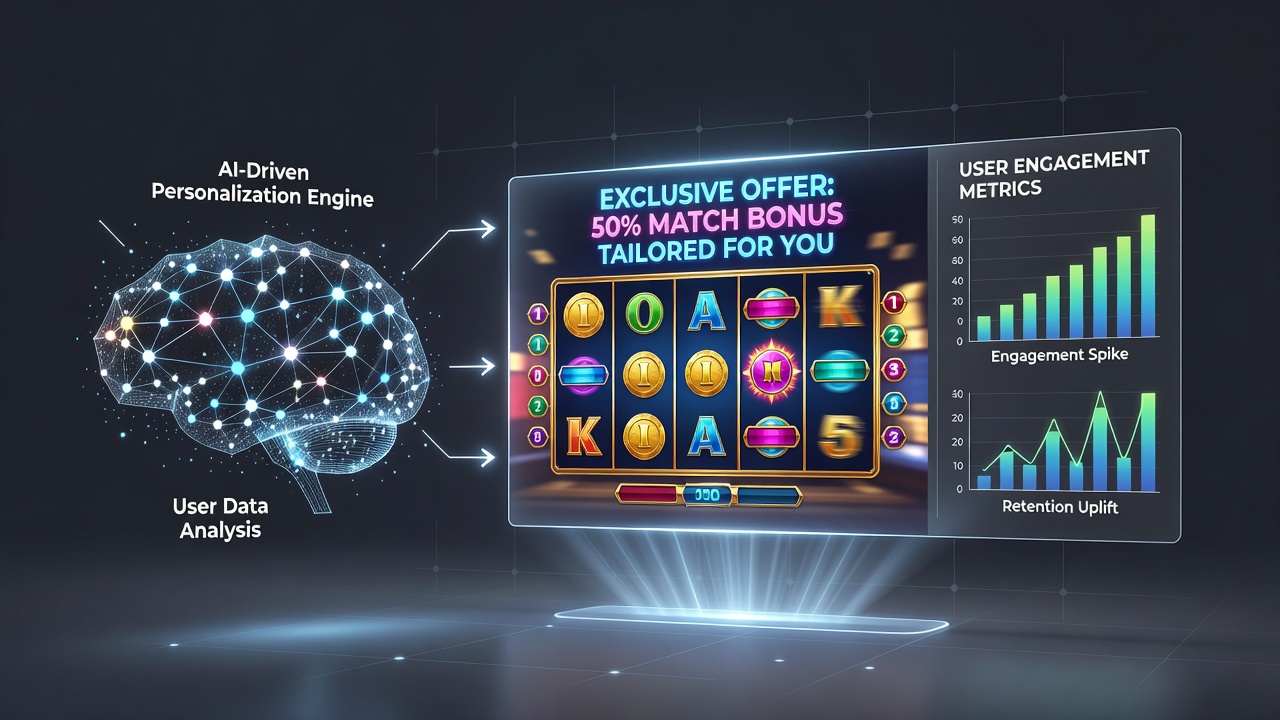
Authorities in multiple regions require operators to maintain audit trails of how personalization algorithms reach decisions, particularly when offers influence financial transactions. The Australian Gambling Research Centre published findings in early 2026 examining transparency standards for algorithmic bonus distribution, highlighting the need for explainable outputs that regulators can review. Platforms must also ensure data handling complies with privacy frameworks that differ across markets, which affects the granularity of behavioral signals available for model training. Technical teams address latency issues by caching pre-computed offer templates, ensuring that even during peak traffic periods the system delivers relevant promotions without delay.
Studies from the University of Nevada's International Gaming Institute indicate that platforms combining AI personalization with clear opt-out mechanisms maintained higher trust scores among surveyed users compared to those without such features. These findings align with broader industry reports showing that engagement gains depend partly on perceived fairness of the targeting process.
Future Trajectories for Algorithmic Offer Systems
Continued refinement of multi-armed bandit frameworks allows platforms to test multiple offer variants simultaneously across user cohorts while minimizing opportunity costs. Integration with emerging data sources such as biometric feedback during play remains limited but appears in pilot programs where permitted. Operators anticipate that cross-platform identity solutions will further improve model accuracy by linking behavior across desktop and mobile environments. Evidence from current deployments suggests these developments will sustain the observed upward trends in key engagement metrics through the remainder of 2026 and beyond.
Conclusion
AI-driven personalization of promotional offers in video slot platforms operates through continuous analysis of behavioral data to produce targeted incentives that correlate with higher session metrics and retention figures. Platforms implementing these systems have documented measurable changes in user activity patterns, supported by technical architectures designed for real-time responsiveness and regulatory compliance. Research from academic and industry sources confirms that the effectiveness of such approaches hinges on accurate segmentation, transparent processes, and alignment with jurisdictional requirements. As models evolve, the relationship between algorithmic offer design and player engagement continues to develop along observable, data-backed lines.